Posted: Monday 14 April 2014
-
2 comment(s)
[ Comment ]
-
0 trackback(s)
[ Trackback ]
Sometimes we have a tendency not to appreciate what's right on our doorstep, however, living in Scotland that could never happen, right  ? I'm always so grateful that I live in such a beautiful, vibrant city and love when I have a weekend where I can just kick back and enjoy all that Edinburgh has to offer. ? I'm always so grateful that I live in such a beautiful, vibrant city and love when I have a weekend where I can just kick back and enjoy all that Edinburgh has to offer. On Saturday it was a glorious sunny day so we decided to take a stroll along the Water of Leith, the main river meandering through the heart of Edinburgh, which eventually reaches the Port of Leith where it flows into the sea via the Firth of Forth. 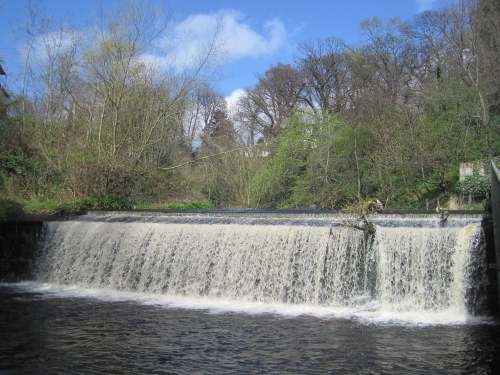

There is a lovely walkway which follows the course of the river through Stockbridge and the Dean Village. With historic sites along the way and the opportunity to see wild flowers, ancient woodland and a host of wildlife, this is a truly tranquil place which will leave you feeling as if you have escaped from the hustle and bustle of the city and have been transported into the countryside. 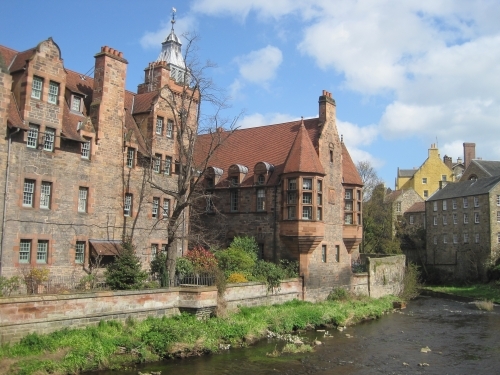

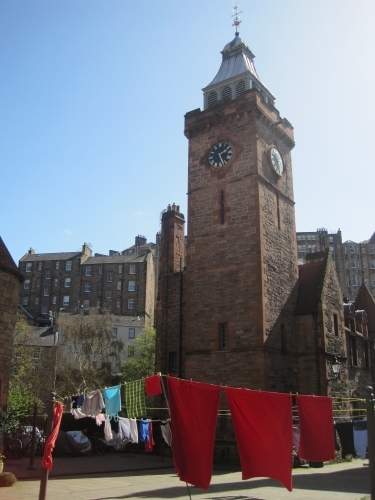
It is worth checking out St Bernard's Well which was originally built in 1760 and is open to the public at various times throughout the year. The waters of the well were believed to have medicinal properties. 
After a beautiful scenic stroll we headed back into Stockbridge for coffee and cake in one of the many fabulous cafes . .
|
Posted: Friday 22 November 2013
-
5 comment(s)
[ Comment ]
-
0 trackback(s)
[ Trackback ]
We drove over to Aberfeldy from Kinloch Rannoch on a very misty morning, with glistening frost clinging to the trees and the temperature hitting freezing. However, the sun was shining and the scenery was breathtakingly beautiful especially with the dusting of snow on the surrounding mountains. I'd wanted to visit the Birks of Aberfeldy (birks are birch trees) for a long time and even though I'd been to Aberfeldy many times I never quite made the time to do the walk. This beautiful circular walk is extremely popular and easily accessible from the centre of Aberfeldy. The lovely walk up the steep gorge of the Moness burn through mixed woodland reveals several cascading waterfalls. This really is a place of immense natural beauty and autumn is a great time of year to visit when the woods are carpeted with autumn leaves. 

Robert Burns visited in 1787 and was so inspired that he wrote the poem `The Birks of Aberfeldie`. I loved the statue of our great bard that greeted us on the lower part of the walk. There is also a plaque further up the gorge which marks the spot where he was inspired! 

A quote from one of the verses sums up the spectacular scene: "The braes ascend like lofty wa's,
The foaming stream deep-roarin' fa's
O'erhung wi' fragrant spreading shaws
The birks of Aberfeldy" 
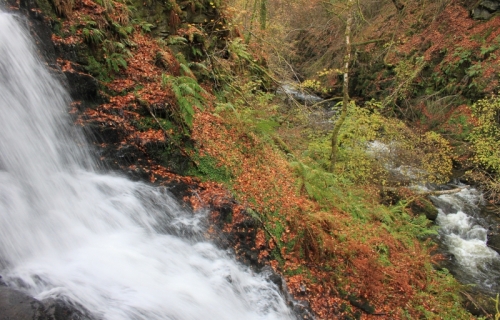
The rather steep uphill climb follows a narrow, well defined path which is overhung by mature trees and rises to a height of 150 metres at a bridge directly above the Falls of Moness. From here there are spectacular views of the white waters as they thunder down below and panoramic views over the top of the woodland to the valley of Strathtay. When we reached this point it had started to snow! The mist hung above the tree tops and the temperature plummeted so we made a quick descent back into Aberfeldy and rewarded ourselves with a delicious lunch in The Watermill cafe and afterwards enjoyed browsing their interesting bookshop. 

My wait to visit the Birks was well worth it. What an enchanting, incredibly inspirational place and it's no wonder that Rabbie was inspired to write his famous poem here.
|
Posted: Sunday 17 November 2013
-
2 comment(s)
[ Comment ]
-
0 trackback(s)
[ Trackback ]
One of my favourite walks to embark on whilst staying at Loch Rannoch is Allt na Bogair Trail in Tay Forest Park. The Forest Park is not one forest but a series of contrasting woodlands in the heart of Perthshire. 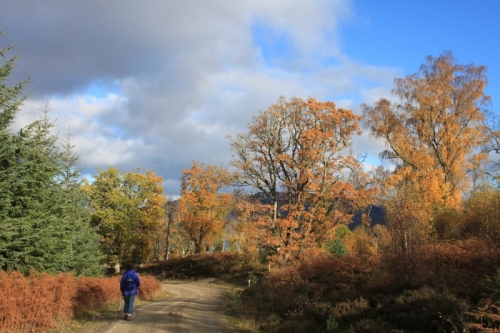
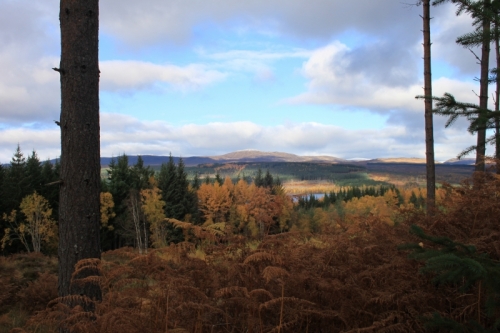
We always begin from the Carie car park, 3 miles west of Kinloch Rannoch. This excellent waymarked walk combines easy walking on forest tracks with pleasant mixed woodland, including remnants of the ancient Caledonian pine forest. The 5 mile trail traces the Allt na Bogair burn through native broadleaves and Scots pine and opens up to offer stunning panoramic views of Loch Rannoch and the rolling hills. The colours of the trees in Autumn are just breathtaking and what a bonus to have the sun make an appearance. 

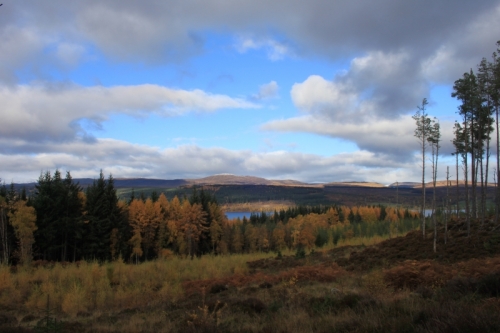
This is such a remote, peaceful, beautiful place and each time we walk here it feels like we are the only people around apart from the odd red squirrel, bird of prey and timid roe deer who use this spectacular woodland as their very own playground. 

Tune in next time when we head over to Aberfeldy to walk The Birks of Aberfeldy  . .
|
Posted: Tuesday 12 November 2013
-
4 comment(s)
[ Comment ]
-
0 trackback(s)
[ Trackback ]
We're just back from a fantastic weeks break at The Loch Rannoch Highland Club in Kinloch Rannoch. The colours of the trees were still spectacular and we were blessed with fine weather on most days which meant we were able to enjoy lots of walks exploring trails in the Tay Forest Park which lies on the south shore and is home to remnants of the ancient Caledonian Forest. We stayed in one of the Highland Lodges overlooking snow-capped Schiehallion and the beautiful Loch Rannoch. 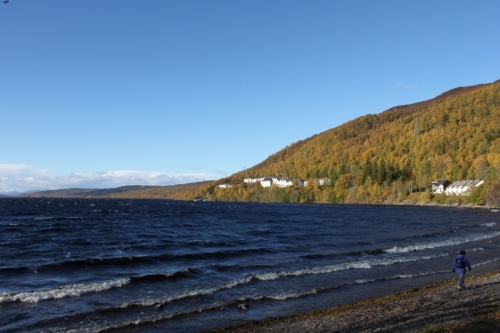

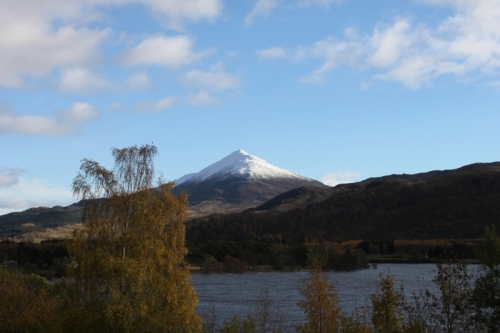
Situated in the very heart of Scotland, Perthshire is an area of gentle glens, rolling hills, rugged mountains, tranquil lochs, mature woodland, roaring rivers and fertile farmland. Loch Rannoch lies in this wild and unspoilt countryside, surrounded by spectacular mountain scenery. The loch runs for ten miles and offers excellent fishing opportunities in a truly magnificent setting. There is a watersports centre situated on the shore of the loch, just outside Kinloch Rannoch, where you can hire fishing boats and rods, canoes, kayaks and there are also mountain bikes on offer if you want to cycle around the loch (about 22 miles, I think). 

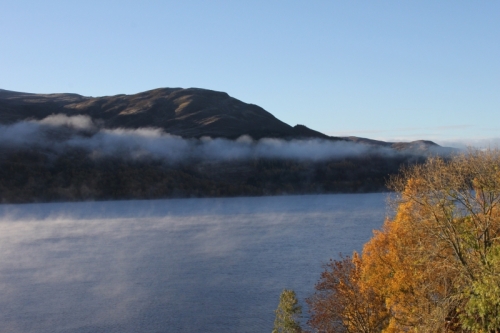
The village of Kinloch Rannoch lies in a remarkably remote location, however, it has a thriving community and friendly locals. There is a well stocked village store and 'Treats' is a great wee cafe and gift shop situated in the heart of the village. 
Each time we've stayed in Kinloch Rannoch we've climbed Craig Varr, a craggy bluff which lies just above the village. We usually start off at the stunning waterfalls just behind the village square then climb through the forest before the path opens out onto moorland offering wonderful panoramic views. The final ascent is a bit hard going especially as it's so exposed and there is always a strong wind, however, it's so worth it because the views from the top are sensational. 

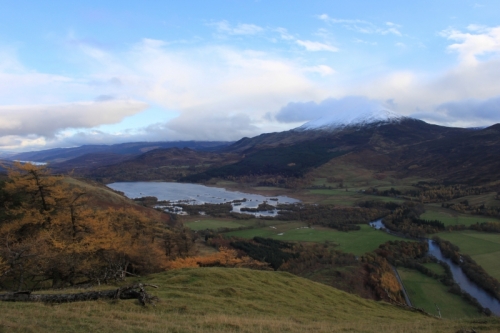


Tune in next time when I'll tell you about one of my favourite walks in the area .
|
Posted: Friday 1 November 2013
-
3 comment(s)
[ Comment ]
-
0 trackback(s)
[ Trackback ]
Last month we enjoyed a long weekend with 6 friends in the picturesque fishing port of Eyemouth in Berwickshire, in the Scottish Borders. The historic town boasts a natural harbour and breathtaking coastal scenery. Many of the features of a traditional fishing village have been retained in the narrow wynds and vennels – offering shelter from the sea and well suited to smuggling which would have been rife during the 18th Century. Indeed Eyemouth was a hub for smugglers in those days, being the closest Scottish port to the continent, and scattered about the town were hidden stores and secret passages. 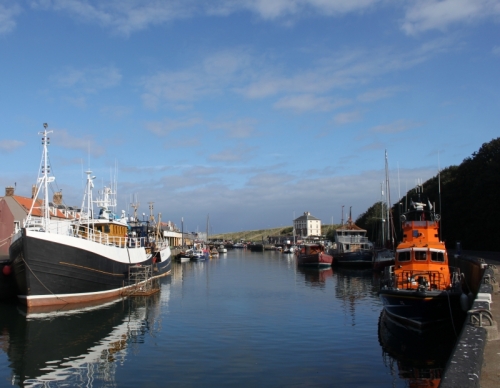

Our accommodation for our stay was Gunsgreen House, a beautiful 18th Century merchant's villa dominating the town from its elevated position above the harbour. This central location made the perfect base for exploring the town and surrounding coastal paths and what a bonus that the weather was warm and sunny. 
Gunsgreen House was built in the 1750s for notorious smuggler, John Nisbet. Designed by John Adam, one of the most famous and most expensive architects of the day, this stunning house was at the centre of an illicit trade in wine, spirits, tea and tobacco. The house has had a rich and colourful history and we loved searching out all the hidden spaces, including a tea chute, where John hid all his smuggled goods. 
The lower levels of the house accomodate a fun, interactive museum telling the story of its past through the ‘Smuggling Experience’. We enjoyed a free tour as part of our stay which we thoroughly enjoyed. In fact it was a really novel experience to be staying in an actual museum as the upper rooms are part of the tour when they are not being occupied. There are several great coastal walks on the doorstep and we enjoyed beautiful conditions on both the days we ventured along the cliff tops. The coast offers opportunities for birdwatching, fishing and diving as well as sightseeing boat trips and fishing trips. 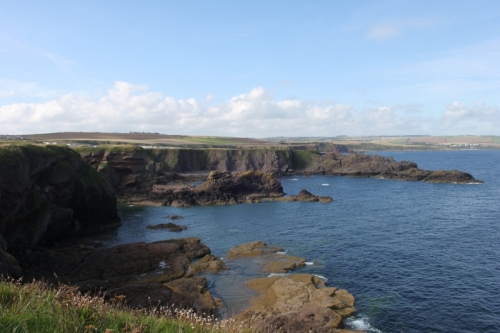

We particulary enjoyed watching the seals, who frequent the harbour hoping to get a free meal from the boatmen when the fishing boats return. Visitors can actually buy fish to feed the seals from a stand on the harbour. 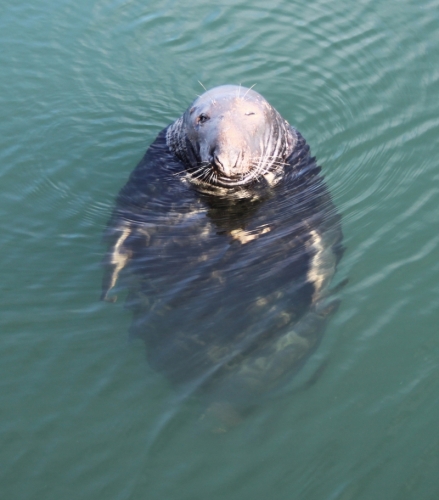
I'd only visited Eyemouth briefly in the rain several years ago but was so pleased that my return visit was such a great experience. Looking forward to returning in the not too distant future.
|
Posted: Tuesday 29 October 2013
-
2 comment(s)
[ Comment ]
-
0 trackback(s)
[ Trackback ]
Another glorious day on Bute and we just couldn't wait to continue exploring all the wonderful places this wee island had on offer. After talking with a local man walking his dog we were intrigued to visit Dunagoil at the south end of the island after he told us that this was the most important Iron Age site on Bute. We enjoyed feasting on wild brambles which lined the road as we made our way to this historic site. 
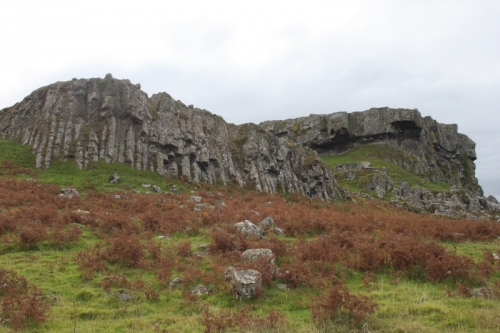
The fort at Dunagoil is perched high on a volcanic cliff with spectacular views of the seaways around Bute. High stone and timber walls would have surrounded the fort and at some point these walls burned with such intensity that the rubble core became fused into a solid mass (known as vitrification). I thought the rocks looked like fierce craggy faces looking out to sea. Excavations took place in 1913 -15 and this work revealed a series of finds dating from the Late Bronze Age and Early Iron Age and it has been suggested that the fort was occupied from approximately 200 BC until 100 AD. 
Dunagoil and the surrounding coast and hillocks are a really interesting part of Bute, so different from the rest of the island. We climbed one of the hillocks for a better view and enjoyed exploring the two caves which sit under the fort. We sat on the masses of rocks appreciating the views and the fact that we were experiencing this special place uninterrupted. 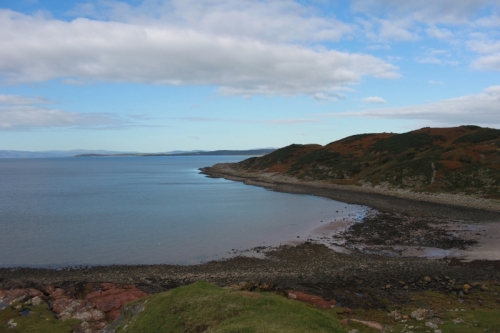

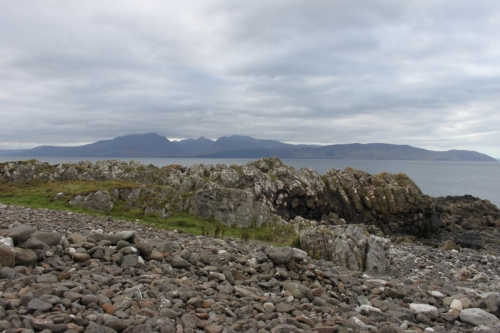
A perfect end to a perfect stay on Bute-iful Bute. I hope it's not too long until we make a return visit .
|
Posted: Tuesday 22 October 2013
-
6 comment(s)
[ Comment ]
-
0 trackback(s)
[ Trackback ]
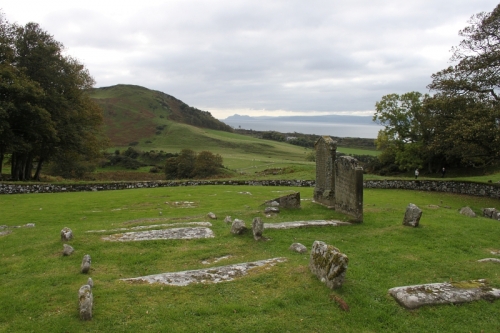
The great autumn weather continued as we explored another part of this lovely wee island. On Sunday morning we headed to St Blane's Church, a surprisingly extensive ruin which sits on a hill offering magnificent views out to sea and to the Isle of Arran. This early Christian monastic site, thought to date from the 6th Century, was founded by St Blane. The monastery existed until at least the late 8th century, and the site was an important burial site until the 12th century. There are numerous early Medieval gravestones within the churchyard, and beside the church is a lovely old hogback tomb in traditional Viking style. In its earliest days it may have been as important as Iona became. 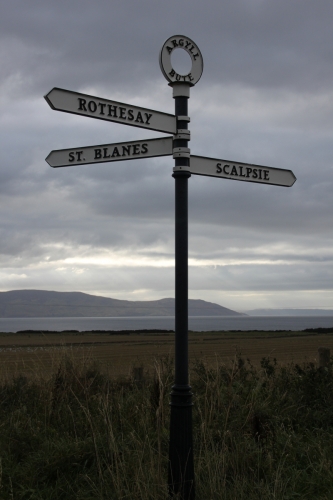


The church lies in a beautifully peaceful rocky hollow surrounded by mature woodland. Reaching the church after a short, steep climb we were met with a feeling of utter peace and tranquility reflecting centuries of Christian worship on this site, which is steeped in history. If the walls could talk they would have some exciting and interesting tales to tell. As two of our friends are retired clergy they said they would happily take a short service for us in the chapel. This was a very special and moving experience for all of us. We were so blessed to be the only people there whilst our friends conducted the service. St Blane's is an atmospheric, spiritual place and it's impossible to visit and come away unmoved. 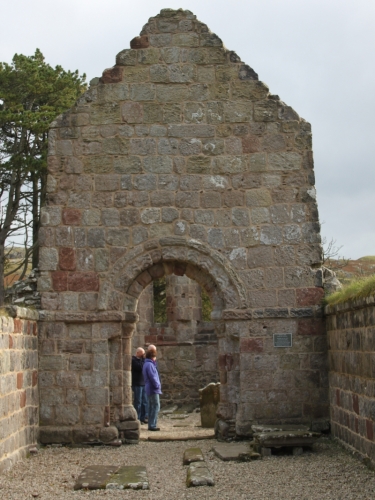

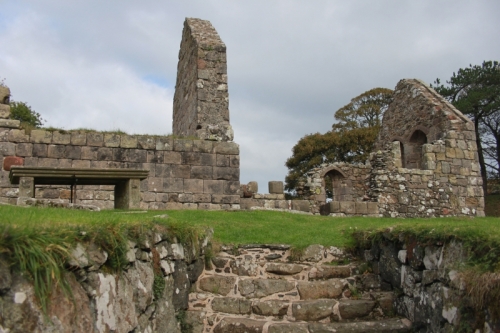
Tune in next time for my final blog on my trip to Bute-iful Bute .
|
Posted: Tuesday 15 October 2013
-
2 comment(s)
[ Comment ]
-
0 trackback(s)
[ Trackback ]
We've just returned from 4 days on the Isle of Bute with our very special friends to celebrate a significant birthday. The Isle of Bute, in the Firth of Clyde, is a magical wee island, only 15 miles long and 3 miles wide. We took the scenic ferry journey from Wemyss Bay to Rothesay, arriving in Bute, which has been a popular holiday destination for Clydesiders since Victorian times, 35 minutes later. Bute's attractions include its consistently mild climate, beautiful gardens, secluded sandy beaches, historic sites and for walkers the thirty-mile West Island Way, a way-marked footpath which stretches the length of the island. Rothesay is Bute's only town, home to a plethora of ornate Victorian buildings including the must see Victorian toilets and the 1920s pagoda-style pavilion, originally built to house the Winter Gardens. We enjoyed visiting Rothesay Castle which lies in the middle of the town and which has had a long and close association with the Stewart Kings of Scotland. 
We headed a few miles out of Rothesay to our luxurious accomodation, North Lodge at Nether Stravannan, a renovated former 18th century farm steading, with exceptional views across Stravannan Bay to Arran. We were perfectly situated for exploring all parts of the island. 

From the moment we set foot on Bute we were blessed with glorious autumnal weather. The air was crisp, the sun was shining and we couldn't wait to get out into the great outdoors. Bute is a lovely place to walk and we especially enjoyed walking on its beautiful beaches with wonderfully scenic vistas across to the mainland on the east of the island and across to Arran on the southwest. There's plenty of wildlife to see on Bute including grey seals (we saw several bobbing off shore at Scalpsie Bay), dolphins, a diverse variety of birds including Ospreys (there are a number of bird hides scattered around the island) and timid roe deer who apparently take walks on the beach at Ettrick Bay at certain times of the year. 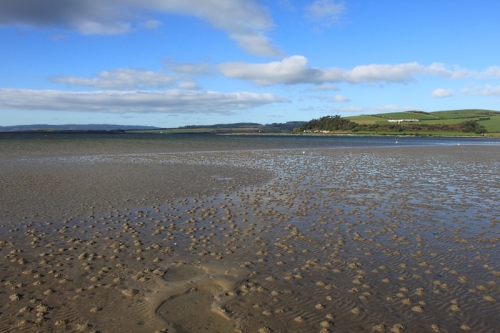


As we were staying in a property owned by the Mount Stuart Trust we were given complimentary tickets for a tour around Mount Stuart. No visit to the Isle of Bute is complete without a visit to this breathtaking Victorian Gothic mansion, set amidst acres of lush woodland and beautiful mature gardens, overlooking the Firth of Clyde. The incredible building is the family home of the Stuarts of Bute, an ancient Scottish family descended from Robert the Bruce himself. Constructed in the 18th century and extensively rebuilt following a 19th century fire, this extravagant palace truly has something for everyone with particular attractions for visitors interested in art, astrology, history and mythology. It is obvious that no expense was spared in the building of Mount Stuart. Two of its claims to fame are that it was the first house in Scotland with electric lighting and the first one in the world with an indoor swimming pool. 
Tune into my next blog to find out more about my travels around Bute-iful Bute .
|
Posted: Wednesday 28 August 2013
-
2 comment(s)
[ Comment ]
-
0 trackback(s)
[ Trackback ]
My castle count is now at 15! Can I have this many favourite castles in Scotland? Kilchurn - Kilchurn Castle, dramatically situated amidst rugged mountains, perches on what was once a wee island at the head of Loch Awe. This spectacular lochside ruin was built in the mid 1400s and was a Campbell stronghold until being evacuated in 1760 after it was struck by lightning and badly damaged. The castle looks very different when viewed from various locations along the shores of Loch Awe but every view seems to evoke images of the days of the clans. You can access the castle by land from the east or in the summer months you can opt to take a boat trip which leaves from the pier at the small village of Lochawe. Kilchurn is a fascinating castle to explore both inside and out. 
Stalker - Castle Stalker, near Appin in Argyll, has one of the most scenic and dramatic settings of any castle in Scotland. Perched on a tidal islet on Loch Laich, an inlet off Loch Linnhe, it is one of the finest examples of a remaining Medieval tower house in the west. Its picturesque setting has ensured that it is one of the most photographed castles in Scotland. The castle, which was built by the Stewarts of Appin in the 16th century, has had a colourful history and ownership has changed over the years from Stewarts to Campbells and back to Stewarts. The present owners open the castle to the public for a short duration each year and all visits are by appointment only. Movie-goers might recognise the castle from its appearance in "Monty Python and the Holy Grail" and "Highlander".

Tioram - Castle Tioram, is a uniquely atmospheric ruin which sits atop a tidal island jutting out into Loch Moidart. The 13th century fortress has had a colourful past and was the stronghold of the MacDonalds of Clan Ranald, a branch of Clan Donald, until it was decimated in 1715 by their chief to ensure that it did not fall into enemy hands while he was absent fighting for the Jacobite cause. The castle interior is no longer open to the public but we always enjoy walking across the causeway to get a closer look and wandering along the shores of the loch. The castle also featured in the movies "Highlander" and "Rob Roy". A wealth of Jacobean history surrounds the area especially relating to Bonnie Prince Charlie. Opportunities for climbing, walking, fishing, sailing and visiting historical monuments abound. 
Dunure - The Medieval Dunure Castle in south Ayrshire has lain in ruins for over 300 years, clinging to a hilltop looking out across the sea to the Isle of Arran. Once the ancient seat of the powerful Kennedys of Carrick, the Earls of Cassilis, the castle dates back to the 13th century and was later extended and altered. The castle was eventually abandoned in the late 17th century. Mary Queen of Scots was a visitor here back in 1563. In 1570 a shocking event took place in the castle when Allan Stewart, Commendator of Crossraguel Abbey, was roasted over a spit by the Earl of Cassilis to persuade him to sign over abbey lands. Luckily he was rescued and lived to a ripe old age. He was even paid a pension by Cassilis, however, the land was not returned. There have been reports of ghostly cries coming from the chamber where he was tortured...spooky!

St Andrews - St Andrews, Scotland's oldest university town, has a plethora of historic buildings as well as being the home of the world-famous Royal and Ancient Golf Club. I think this view of St Andrews Castle from the south east is magnificent. Dating back to the 13th century the castle was the seat of the bishops and archbishops of St Andrews and was at the centre of religious life in Scotland from Medieval times until the Reformation. Anglo-Scots conflicts were fought out here to gain control of the castle. Eventually destroyed during the Reformation the castle now lies in ruins on the rocky Fife coastline. An excellent visitor centre displays exhibits about the castle and visitors can also explore the mines and the infamous bottle dungeon. 
I still have many castles on my 'to visit' list .
|
Posted: Wednesday 21 August 2013
-
3 comment(s)
[ Comment ]
-
0 trackback(s)
[ Trackback ]
Now as I mentioned before Scotland has a plethora of castles strewn all over the country and so here's another five of my favourites. Duart - The magnificent setting for Duart Castle, home of the Clan MacLean, balanced on a rocky spur jutting out into the Sound of Mull, will remain one of my favourite places to visit on Mull. The castle dates from the 13th century and began its life as a rectangular wall enclosing a courtyard. Later in the mid 17th century further additions were made to the original layout. In 1691 the Macleans surrendered Duart and all their lands on Mull to the Duke of Argyll. The castle remained in the hands of the government for some years and was used as a garrison for troops until 1751. It was then abandoned until 1910 when it was purchased by Sir Fitzroy Maclean, the 26th Chief. He embarked on a restoration project to restore the castle to its former glory. 
Tantallon - The spectacular and dramatically positioned ruins of Tantallon Castle, three miles east of North Berwick, perch precariously on steep cliffs opposite the Bass Rock overlooking the Firth of Forth. Battered relentlessly by the elements the castle still appears indestructable. Built in the mid 14th century by William Douglas, 1st Earl of Douglas, Tantallon was the last Medieval curtain wall castle to be built in Scotland. The Douglases were one of the most powerful families in Scotland at the time. Beseiged on several occasions the castle was finally destroyed by Oliver Cromwell during his invasion of Scotland in 1651 and its days as one of Scotland's most intimidating castles ended. Visiting the castle is a great experience with towers, spiral stairs and an interesting prison pit to explore. 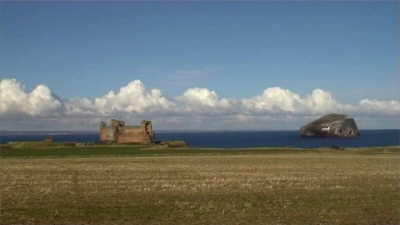
Fraser - Castle Fraser, the ancestral home of the Fraser family, dates from 1575 and is the most detailed Z-plan castle in Scotland. Set in 350 acres of scenic countryside, with woodland walks and a picturesque walled garden, it is the perfect place to explore. The castle has many interesting pieces of furniture, wall-hangings and 18th century embroideries on display which are all beautifully preserved. It also boasts a wonderful original library filled with family books and many Fraser family portraits including one by Raeburn. The castle featured in the Academy Award winning movie "The Queen", starring Helen Mirren. 
Stirling - Stirling Castle sits impressively on an extinct volcano towering high above the city of Stirling, offering spectacular panoramic views of the surrounding area. Given its superb strategic position it has played a key role as a fortress for centuries and is close to some of Scotland's most historic battlefields, Stirling Bridge, the spot where William Wallace claimed victory over the English in 1297 and Bannockburn, where Robert the Bruce defeated the English in 1314. The castle was then destroyed by Bruce to prevent it falling into enemy hands again. The castle endured a long, volatile history and during the Wars of Independence with England (1296-1356) possession of the castle was eagerly contested. 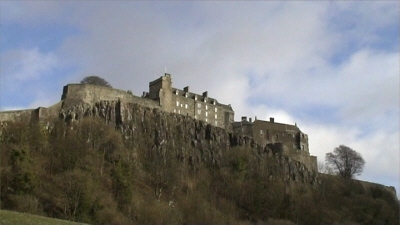
Urquhart - The romantic ruins of Urquhart Castle perched on a rocky outcrop above the deep, dark waters of Loch Ness must be one of the most spectacularly located castles in Scotland. The views of Loch Ness are unparalleled and it's from this site that the majority of "Nessie" sightings have occured. It is not known exactly when the castle was built but there is evidence of a castle on this site from the early 1200s. Urquhart Castle has certainly experienced a tumultuous history changing ownership many times and finally being left in ruins in 1692. Many of the Loch Ness cruise boats will drop passengers off at the castle and then collect them again after they have had time to explore this impressive historical site. 
My journey continues as I still have numerous castles to visit. Castles are so fascinating to me because each has its own remarkable history and unique story to tell.
|
Posted: Thursday 15 August 2013
-
5 comment(s)
[ Comment ]
-
0 trackback(s)
[ Trackback ]
It is believed that Scotland has some 2000 castles although many are known about only through historical records. I love visiting castles because you get a real insight into a period in history and also get an opportunity to see how the other half live or have lived! Now, I have a list as long as my arm of my favourite castles but here are a few for starters: Eilean Donan - Eilean Donan Castle, Scotland's most romantic castle, sits on an island on Loch Duich linked to the mainland by a stone footbribge and is home to the MacRae family. The castle has featured in several movies including "Highlander" and James Bond, "The World is Not Enough" . The original castle was built to protect the region from the Vikings in 1230 by Alexander II and like many Scottish castles has had a colourful past - being captured, recaptured and ultimitely demolished. The castle was restored to its former glory in the years between 1919 and 1932 by Lt. Col. John MacRae-Gilstrap. Today it is a major tourist attraction for all those who journey to the north west and no visit to Scotland is complete without experiencing the magic of Eilean Donan Castle. 
Caerlaverock - The imposing red sandstone ruins of Caerlaverock Castle stand defiantly in the midst of the picturesque Nithsdale countryside in Dumfies and Galloway. With its twin-towered gatehouse, moat and impressive battlements it is the archetypal Medieval bastion and the triangular shape of the defensive walls make Caerlaverock unique. This impressive structure was built in the late 13th century and was the ancestral home of the Maxwells. The castle's volatile history is a direct result of its proximity to England and led to its participation in border conflicts. A number of gentle woodland walks skirt the neighbouring national nature reserve and you will also find the foundations of an earlier castle nearby. 
Culzean - With its magnificent cliff-top location Culzean (pronounced "Cullane") Castle offers spectacular panoramic views over the Firth of Clyde to Arran. Surrounded by 600 acres of woodland, stunning gardens and boasting 3 miles of diverse coastline, including quiet secluded beaches, the castle and country park have become a top tourist attraction in Ayrshire. The present castle was built in the 18th century for David Kennedy, the 10th Earl of Cassillis, who commisioned Scottish Neoclassical architect Robert Adam to create a spectacular home where he could entertain his friends in style. The castle was built when showing off your wealth and prestige was more important than matters of defence. Sadly both died in 1792 never seeing the completion of the castle. 
Crathes - Crathes Castle near Banchory in Aberdeenshire was built in the 2nd half of the 16th century. A stunning fairytale castle and one of the best preserved castles in Scotland. It has been occupied by the Burnetts of Leys for over 350 years and is set amidst beautiful tended grounds and colourful gardens. Crathes also boasts an award-winning 19th century walled garden. One of its most famous features are the amazing Jacobean painted ceilings which were revealed in 1877; the earliest dates from 1602. On display in the hall is a highly historic relic, the Horn of Leys, a jewelled ivory horn, believed to have been presented to the Burnetts in 1323 by Robert the Bruce when he granted them the Land of Leys. 
Blair - The spectacular settting of Blair Castle in the scenic countryside of Perthshire attracts visitors time and time again. The castle dates back to the 13th century and is the ancient seat of the Dukes and Earls of Atholl. The castle was one of the first private homes in Scotland to open its doors to the public and welcomes more visitors annually than any other. The Duke of Atholl possesses his own private army, the Atholl Highlanders, noted as the only legal army in Europe. In fact when you arrive in the impressive entrance hall you will be met with the most amazing display of weaponry because every spare inch of the wood pannelling is covered in weapons of some description. 
More of my favourite castles coming soon. 
|
Posted: Thursday 18 July 2013
-
2 comment(s)
[ Comment ]
-
0 trackback(s)
[ Trackback ]
It was my birthday on Sunday and I met up with some of my wonderful family at Scone Palace near Perth. I hate to admit it but I'd never been there before so in my opinion a visit was long overdue. Perthshire was basking in glorious sunshine and Scone looked truly magnificent. As it was a beautiful day and my 2 year old nephew (who is a regular visitor to Scone and thinks the grounds are his very own playground!) was with us we decided to make the most of Scone's stunning gardens and grounds and leave exploring the interior until another time. 
Once the site of the enthronements of the Kings of Scots, Scone Palace is the home of the Earls of Mansfield and occupies a unique position in the history of Scotland. The palace is breathtakingly beautiful and shrouded in mystery and is the rightful home of the celebrated Stone of Scone - also known as the Stone of Destiny. Here's a wee nugget of information for you - my friends Dad, Ian Hamilton, reclaimed the Stone of Destiny in 1950 and tells his fascinating account of what happened on that night in his thrilling book Stone of Destiny. Well worth a read! I highly recommend it. 
Robert the Bruce was crowned at Scone in 1306 and the last coronation was of Charles II, when he accepted the Scottish crown in 1651. The place of coronation was called Caislean Credi, 'Hill of Credulity', which survives as the present Moot Hill. A replica of the Stone of Scone sits on Moot Hill, in front of a Gothic style chapel. Moot Hill was said to have been formed by Lords carrying soil in their boots. After declaring allegiance to their King on their own land, they deposited the earth to create the mound we see today. Fascinating stuff! 
There is so much to see at Scone and we happily spent 5 hours enjoying the peaceful surroundings where red squirrels and peacocks roam freely. A highlight was sitting in the grounds having a hearty lunch from the Old Servants' Hall Coffee Shop and returning later in the afternoon to feast on the delicious homemade scones and cakes. In Scotland we have to make the most of Al Fresco dining while we can! 
We loved the Murray Star Maze, designed by the world renowned maze designer Adrian Fisher. Perthshire's only maze is designed in the shape of the five pointed star that features in the Murray family crest. This immaculately maintained maze comprises 2000 beech trees, half copper and half green, planted in a way to create a unique tartan effect. After several false starts (we kept going round in circles) we eventually made it into the middle where a stunning sculpture of a woman sat in the centre of a pond. My nephew threw some coins into the pond and made wishes for us all. 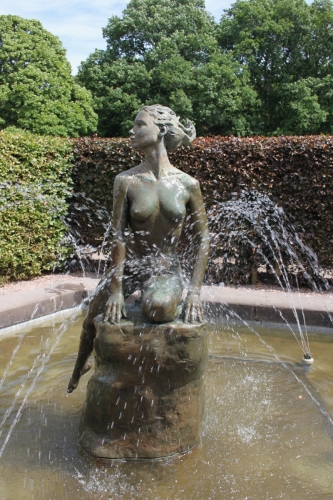
What a great way to spend my birthday.
|
Posted: Monday 8 July 2013
-
5 comment(s)
[ Comment ]
-
0 trackback(s)
[ Trackback ]
At the end of last month I was lucky enough to spend a weekend in the Trossachs in a beautifully restored traditional gypsy caravan. This was a truly unique experience and one which I thoroughly recommend. Bramble Bield is situated within the grounds of a stunning Georgian Mansion on the Powis estate, yet positioned only three miles from Stirling so makes an excellent base for exploring this lovely part of Scotland. 
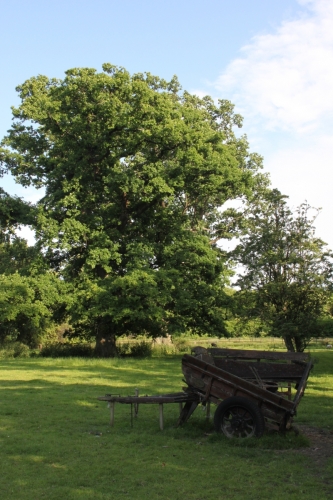
There are three caravans, Holly (where we stayed), Rowan and Bramley all set within a secluded tree-lined glade of Beech, Ash, and Hawthorn, where we enjoyed views to old Oak trees and the estates resident sheep. Nearby, the Ochil Hills, which are noted for the wonderful crags on the southern face of the hills, rise dramatically from the farmed fields to create a truly breathtaking landscape. 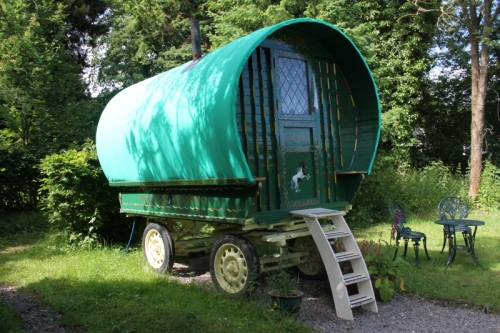
The nearby Stable block with its rustic charm provided us with a fully-equipped kitchen diner, shower room and eco-toilet. Every morning we were treated to a bountiful breakfast of cereals, fruit salad, fresh bread, croissants, jams and marmalade and even fresh eggs from the resident hens! In the evenings we enjoyed building a campfire, listening to the sound of crackling flames, sitting under the starry sky and relaxing after a days walking in the hills. Amazingly not a midge in sight! 
Talking of hills we climbed to the summit of Dumyat Hill taking in the views of Stirling Castle and the Wallace Monument to the south west with the Campsie Fells in the distance. This varied walk (steep in places) is worth the effort because from the top the views are superb and you can enjoy a 360 degree panorama. Not bad for a wee hill! 


On our way back to Edinburgh we decided to stop off at Dollar and enjoy a wee walk through the glen. Dollar Glen has a maze of spectacular woodland walks that take in deep gorges, magnificent viewpoints, tumbling waterfalls, wooden bridges and rushing rivers. This wooded glen provides spectacular walks to up to Castle Campbell and has been designated a Site of Special Scientific Interest because of its range of wildlife habitats and important geological features. 

A great way to end a great weekend.
|
Posted: Friday 21 June 2013
-
3 comment(s)
[ Comment ]
-
0 trackback(s)
[ Trackback ]
Last night I was fortunate enough to spend a couple of hours in the company of some of my all-time favourite tennis players. Stockbridge in the heart of Edinburgh's new town was the location for the inaugural Brodies Champions of Tennis Tournament, the first ever ATP Champions Tour event to be held in Scotland. The sun was shining as we headed to the bespoke stadium at Edinburgh Academicals Rugby Club. After a few drinks and a delicious Highland Hog Roast Roll we were ready for some tennis! 
The match that I was really keen to see was Tim Henman v Goran Ivanisevic. Both Tim and Goran gave great performances (Goran's impersonation of Nadal being one of the highlights for me!). However, Tim came through in the end as the worthy winner beating the Croat 4-6, 6-4, 10-5 in a role-reversal of the 2001 Wimbledon semi-final famously won by Ivanisevic, which took 3 days to complete due to rain delays.

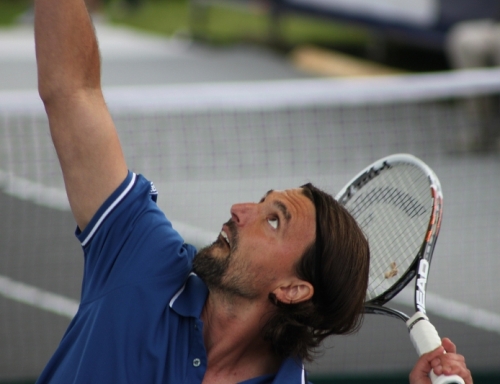


It was also great to see smiley Greg Rudedski back on court playing with Carlos Moya in a highly entertaining doubles match against Thomas Enqvist and Mikael Pernfors.

A wonderful night, in a wonderful city, watching wonderful tennis in wonderful company. I went home very happy.
|
Posted: Wednesday 19 June 2013
-
3 comment(s)
[ Comment ]
-
0 trackback(s)
[ Trackback ]
What better way to start the day than by heading over to my local Royal Botanic Garden in Edinburgh to sample free and local foods. Stalls set up with a variety of locally grown and organically sourced produce resulted in a taste sensation breakfast at 8am this morning! This innovative, informative and fun event was run by The Royal Botanic Garden in partnership with the College Development Network, who included it in their Festival of Dangerous Ideas which aims to re-establish the importance of dangerous ideas as agents of change in education – to shift the axis of what is possible! 
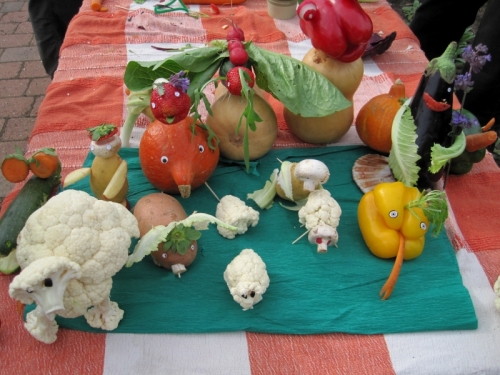
As part of my buffet breakfast I sampled delicious sausages from a hand reared pig (lovingly supplied by Gorgie City Farm, who also brought along a few of their hens - not on today's menu), veggie haggis, bare bannock (the bread of ancient Scotland), nettle and walnut spread, buckwheat blinis (delicately flavoured with chervil, chives, dill and parsley) topped with crème fraîche and garnished with chrysanthemum petals and chive flowers, a palate cleansing cold soup of cucumber, peas, sorrel, cream and white wine. In addition to all this lovely grub I sipped freshly brewed elderflower tea whilst gleaning lots of info from a couple of foragers I spoke to about harvesting wild herbs and tasted sweet cicely for the very first time which was mouth-wateringly delicious. 

I left in the sunshine with a spring in my step and ready to face the day ahead .
|
Posted: Monday 18 February 2013
-
5 comment(s)
[ Comment ]
-
0 trackback(s)
[ Trackback ]
Wow...I can't believe the weather we had yesterday. It's February in Scotland and yesterday was almost like a summer's day; the sun was shining, the sky was blue, the birds were singing and the temperature was exceedingly warm for this time of year. It was definitely a day to be out and about enjoying the great outdoors. We headed off to the East Neuk of Fife and decided to walk the coastal path from Elie to St Monans and back which is just under 5 miles. This stretch of the coastal path is one of my favourites because it is so varied, offering stunning coastal views and dramatic historical ruins. 
Situated on a craggy clifftop approximately half a mile west of St Monans lie the remains of the once great Newark Castle, a 16th century manor, which though still impressive is now a crumbling ruin. It's great to look around but you need to be extra careful as both the castle and the cliffs are continuing to collapse due to erosion. 
St Monans is a picturesque fishing village with a vibrant community. If you do get a chance to visit treat yourself to a meal at The Seafood Restaurant which sits on the harbour's edge and serves up the most delicious food. I had the most incredible meal there a few years ago and can thoroughly recommend it. 
On arriving back in Elie we'd planned to have a picnic on the beach and that's exactly what we did. Just lovely. 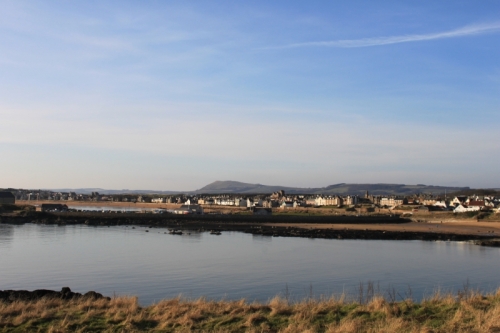
Our next port of call was Cambo Estate in the conservation village of Kingsbarns. Cambo Estate is famous for it's snowdrops and if, like me, you love these delicate wee flowers you will enjoy examining some of the National Collection of 300 different snowdrops. We had come to Cambo this time to witness Snowdrops by Starlight, an event which allows you to follow a trail of lights and sound through the snowdrop clad woods. It was a magical and memorable experience. As I didn't have my tripod with me my photos are not as clear as they could have been but hopefully they give you a sense of the work and imagination that went into creating an event like this. 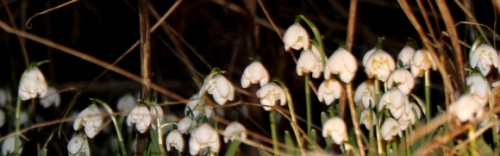

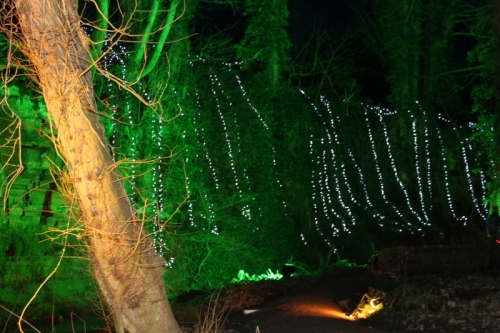
We eventually finished up in Anstruther for fish and chips before heading back to Edinburgh. What a fantastic day out . I hope the good weather continues...
|
Posted: Thursday 15 November 2012
-
3 comment(s)
[ Comment ]
-
0 trackback(s)
[ Trackback ]
While we were in the Highlands we decided that we should spend an evening in the Enchanted Forest which takes place at Faskally Wood near Pitlochry during the month of October. The Enchanted Forest is an award winning spectacular outdoor sound and light show. The theme on the 10th Anniversary this year was "Flow". 
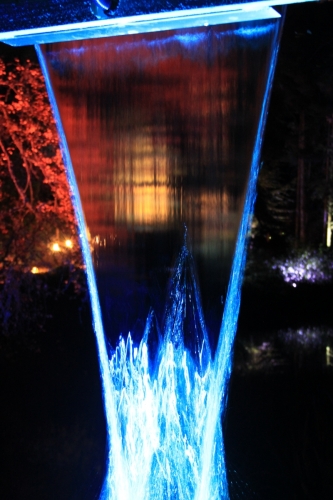
It really is a visual treat and the dramatic original music score simply added to the atmospheric setting of the autumn woodland environment. Using the forest as a natural backdrop allows visitors to experience a show that is breathtakingly beautiful, innovative and illustrates perfectly the theme as visitors make their way around the forest. 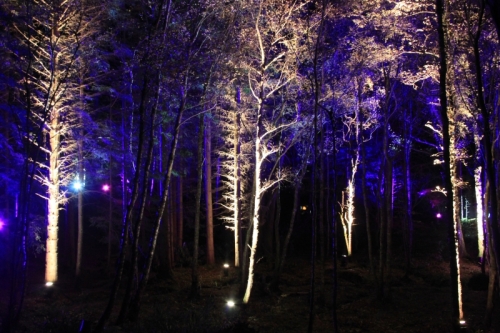
We enjoyed wandering around a couple of times, stopping off at the drinks station for mulled wine and hot chocolate en route, making sure we didn't miss any of the stunning sights and sound effects. 

Don't miss visiting the Enchanted Forest if you are in the area at this time of year. It is a wonderful experience for young and old alike. Long may it continue.
|
Posted: Monday 12 November 2012
-
3 comment(s)
[ Comment ]
-
0 trackback(s)
[ Trackback ]
I very rarely visit the Highlands without taking a trip to one of my favourite places. I've been a regular visitor to Loch an Eilein since early childhood. This spectacular wee loch surrounded by magnificent pine trees, with a backdrop of rugged mountain peaks, is on the Rothiemurchus estate and lies about 5km south of Aviemore. The name Loch an Eilein comes from the gaelic 'loch of the island'. 

I can't begin to count the number of times I have walked around the loch. There is a fantastic trail that is suitable for all ages and stages. Infact you can enjoy some of the best low level walking in Scotland here. It's also a great route for mountain bikers. A circuit of the loch will take you a couple of hours at a leisurely pace. Make sure you stop to look for local wildlife including red squirrels, roe deer, Scottish crossbills and maybe an elusive osprey, if you're lucky. 
In the middle of the loch sits the dramatic and mysterious ruins of a castle. The castle was once a stronghold of the Wolf of Badenoch, renowned for being one of the most barbaric and evil characters in Scottish history, who died around the turn of the 15th century. The Jacobites, retreating from Cromdale in 1690, besieged the castle, led by Dame Grizel Mor Grant, widow of the fifth laird Grant. At this time the castle was connected to the shore by a causeway. The causeway was lost when the water level in the loch was raised in the 18th century. You can wander down to the shore opposite the castle and test the unique triple echo, by shouting and hear your voice bounce off the ruins of the castle to the hills. It really does work! 
Loch An Eilien was voted Britain's Best Picnic Spot in 2010 and it's no surprise. The views are breathtaking and the peaceful atmosphere makes it the perfect place to enjoy nature at it's very best. Another plus is that it is very rarley too busy so you are always able to enjoy this special place without the crowds. 
A wonderful time spent at one of my favourite places.
|
Posted: Thursday 8 November 2012
-
3 comment(s)
[ Comment ]
-
0 trackback(s)
[ Trackback ]
The Highland village of Newtonmore holds a special place in my heart because it's where I was brought up. I spent a happy childhood exploring this beautiful and peaceful part of the world and I try to get back for visits as often as I can. It's my retreat when I want to get away from the hustle and bustle of city life. When I'm in Newtonmore I enjoy nothing more than getting out into the great outdoors for long walks, taking in the breathtaking panaoramas that greet me on all sides of the valley. Newtonmore is gateway to the Cairngorms National Park. 
My friends and I always enjoy walking the Wildcat Trail, a 10km route which surrounds Newtonmore taking in all the spectacular scenery this area has to offer including wooded glens, gushing rivers, heather-clad moorland, tumbling waterfalls and an array of flora and fauna. Look out for shy wildlife too. On this occasion we saw red squirrels and birds of prey. The trail can be enjoyed as a complete circuit or you can just do sections of it if you prefer as there are various paths linking the trail to different start points in the village. 

The really fun part for children and adults alike is spotting the colourfully decorated wildcats which are hidden along the route, numbering more than 100. You can pick up your Wildcat Experience Track Pack at the Wildcat Centre in the middle of the village and as you head off in search of the wildcats make sure you mark each one's location as you identify it, bring your map back to the centre for verification and claim your certificate or prize! Believe it or not the Scottish Wildcat is more at risk of extinction than the Amur (Siberian) tiger. 
I almost never visit Newtonmore without walking up to Glen Banchor which is a beautiful, wild wee glen situated just behind the village. Within 15 minutes walk of the village you can be roaming the surrounding hills and strolling along the banks of the River Calder, which flows down the valley of the glen into the River Spey. The area provides excellent hill walking opportunities and offers access to several Monadh Liath Munros. This area featured in the highly successful BBC drama series "Monarch of the Glen", as part of the fictional Glen Bogle estate.
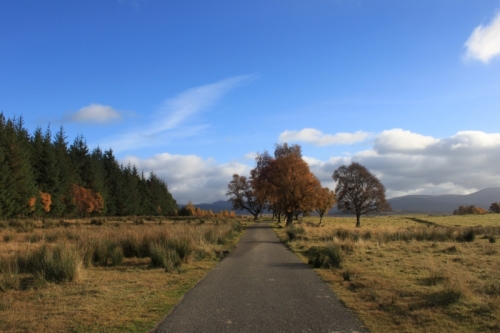

It is one of my favourite places and as a child I spent long, lazy summer days swimming in the river and having picnics with family and friends. 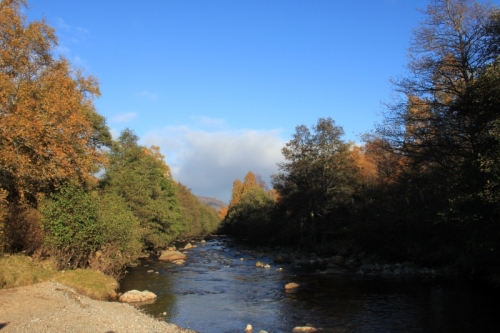

Tune into my next blog when I'll tell you about another one of my favourite walks in the area.
|
Posted: Wednesday 7 November 2012
-
5 comment(s)
[ Comment ]
-
0 trackback(s)
[ Trackback ]
Autumn is probably my favourite time of year in Scotland, when the whole countryside seems covered in a carpet of rich, earthy colours. While staying in Comrie in Perthshire with friends we decided to spend the afternoon at Drummond Castle Gardens. These gardens came highly recommended by friends who had been before so we didn't want to miss the opportunity to visit while we were in the area. The approach to the castle and gardens is impressive, up a magnificent avenue of beech trees bursting with autumnal colours and surrounded by stunning countryside. 
Drummond Castle, which is not open to the public, lies 2 kms North of Muthill and was built in 1491 by Sir John Drummond. The Castle is most famous for it's wonderfully laid out eclectic formal gardens, one of the finest formal gardens in Europe which were originally laid out in 1630 by John Drummond, 2nd Earl of Perth. 
The gardens are Italianised and adorned with a number of fine statues, however, the central structural feature of the parterre is a St Andrew's cross. 
It's not until you cross the courtyard of the castle and step out onto the grand terrace that you can gaze onto the gardens in all their symmetrical glory. We thorougly enjoyed wandering around these peaceful, visually spectacular gardens and would love to return in the spring. 


Here's a fun fact for you - The buildings and gardens of Drummond Castle featured as backdrops in the 1995 film Rob Roy.
|
|
|


)